Book your consultation with Ms. (Dr.) Samantha Tross Today Book Now
Women's Health - Specialised orthopaedic care for women
Specialised Care for Women

Women's Health

Specialised orthopaedic care for women, with a focus on understanding unique challenges they face.

Menopause
Joint pathology during menopause
Specialised
Women-focused orthopaedic care
Holistic
Comprehensive health approach

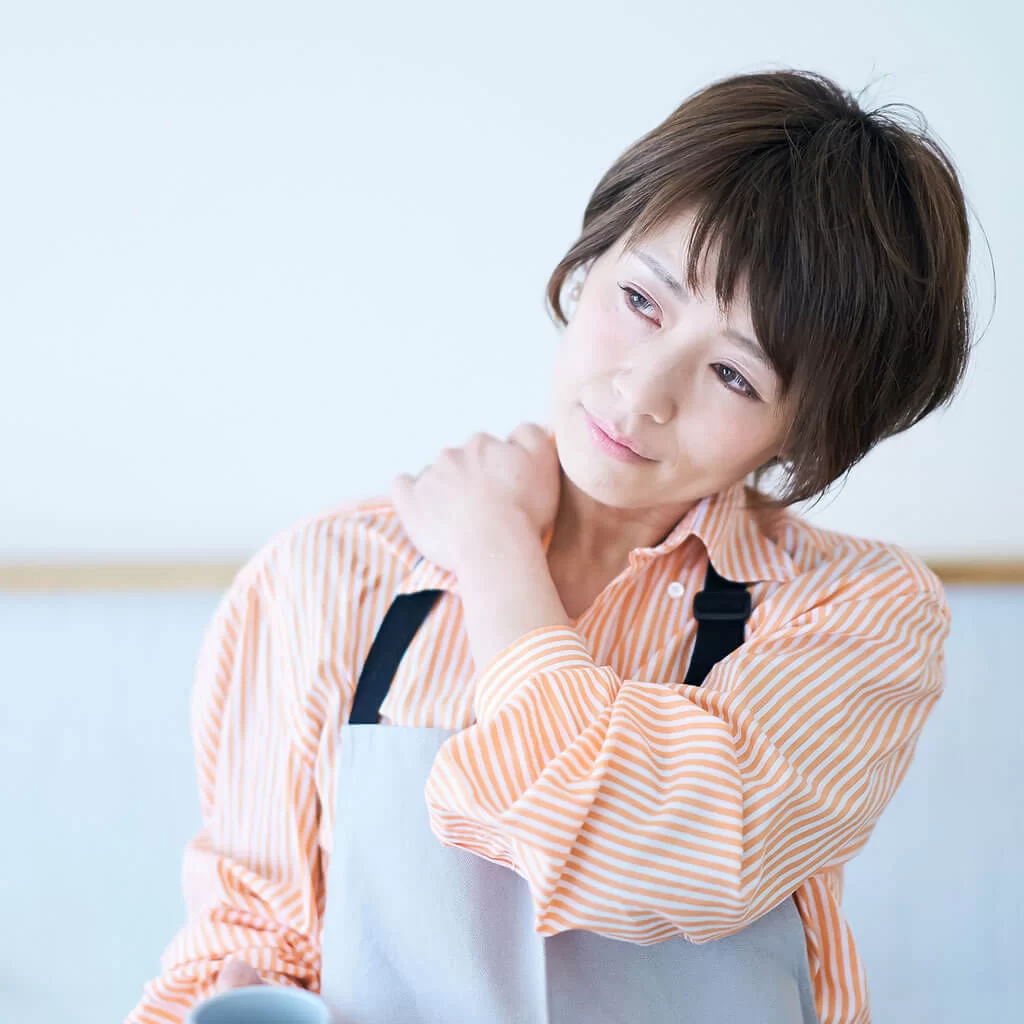
Impact of Hormonal changes on Joint Pathology and susceptible conditions

Understanding the unique challenges women face, the impact on joint health and common conditions experienced by women.

Menopause

During menopause the level of the hormone oestrogen drops in the body. Oestrogen is responsible for bone strength as it plays an important role in the growth and maturation of bone as well as regulates bone turnover. Oestrogen also has a protective role in reducing inflammation of joints and promotion of healthy articular cartilage. There are studies to suggest that depleted oestrogen may directly affect cartilage function or increase susceptibility for osteoarthritis to occur.

Bone turnover increases along with bone resorption, which leads to osteoporosis. During this period, women present with stiff and painful joints and hence find it harder to build and maintain muscle. Stiffness is usually present first thing in the morning and improves as the day progresses. Hands, wrists, shoulders, hips and knees are commonly affected but no joint is immune.

Menstrual cycle changes

Fluctuations in hormonal levels during the menstrual cycle impact muscle, ligament and joint stability as well as pain sensitivity. See effects in table below.

Phase Dominant Hormone(s) Musculoskeletal Implications
Menstrual (Days 1–5) Low oestrogen & progesterone • Fatigue and muscle soreness can be higher due to inflammation and low iron levels.
• Joints feel stiffer; reduced pain threshold.
Follicular (Days 6–13) Rising oestrogen • Oestrogen enhances collagen synthesis, muscle repair, and neuromuscular coordination.
• Tendons and ligaments become slightly more elastic — beneficial for performance but may reduce stability if excessive.
Ovulation (~Day 14) Oestrogen peaks, small Luteinising hormone surge • Peak oestrogen increases ligament laxity, particularly in knees and ankles.
• Studies show higher ACL injury risk around ovulation.
• Improved power output but slightly less joint control.
Luteal (Days 15–28) High progesterone, moderate oestrogen • Progesterone counteracts oestrogen's stabilising effects, causing increased muscle relaxation and reduced coordination.
• Fluid retention may alter joint mechanics.
• Core temperature rises slightly, possibly affecting endurance.

Orthopaedic conditions more prevalent in women

  • Anterior knee pain secondary to increased forces across the patellofemoral joint
  • ACL injuries (women twice as likely to sustain compared to men)
  • Stress fractures
  • Hip Impingement & labral tears (secondary to wider pelvis and hip alignment)
  • Osteoporotic fractures (post menopause)

Importance of Physiotherapy

During menopause core strength weakens due to reduced exercise, along with weak pelvic floor muscles. As the spine, pelvis and hip joint work synergistically, it is not unusual to feel pain in one of these joints, due to dysfunction of another.

During hormonal fluctuations joint laxity may occur.

Physiotherapy can improve muscle strength, joint stability and alignment. Treatment may be directed to muscle groups and joints away from the site of pain.

Specialised Care for Women's Orthopaedic conditions

Ms. (Dr.) Samantha Tross has a keen interest in hip and knee pain in women. She works with dedicated physiotherapists, dieticians and cognitive behavioural specialists to explore non-surgical solutions for these women where possible, prior to consideration of surgical intervention.

Don't Let Menopause Define Your Mobility

Get specialised care for menopausal joint issues. Book your consultation with Ms. (Dr.) Samantha Tross today.