Book your consultation with Ms. (Dr.) Samantha Tross Today Book Now
Hip Replacement Surgery - Advanced orthopaedic procedures
Advanced Hip Surgery Techniques

Hip Replacement Surgery

Expert hip replacement procedures using cutting-edge technology and minimally invasive techniques for faster recovery and better outcomes.

Minimally Invasive
Smaller incisions, faster recovery
Robotic Precision
Advanced Mako robotic technology
Expert Care
Specialist orthopaedic surgeon
Understanding Hip Replacement

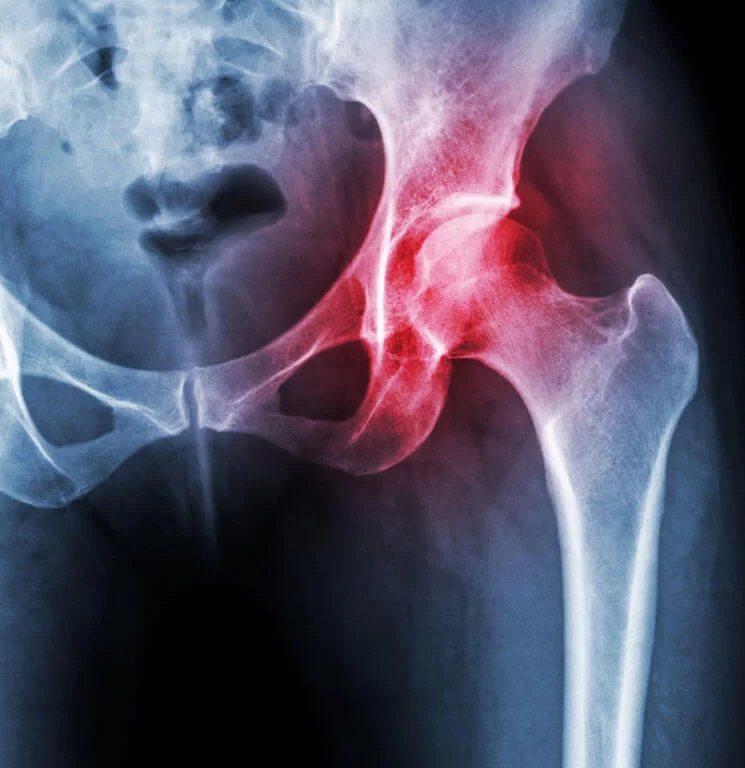
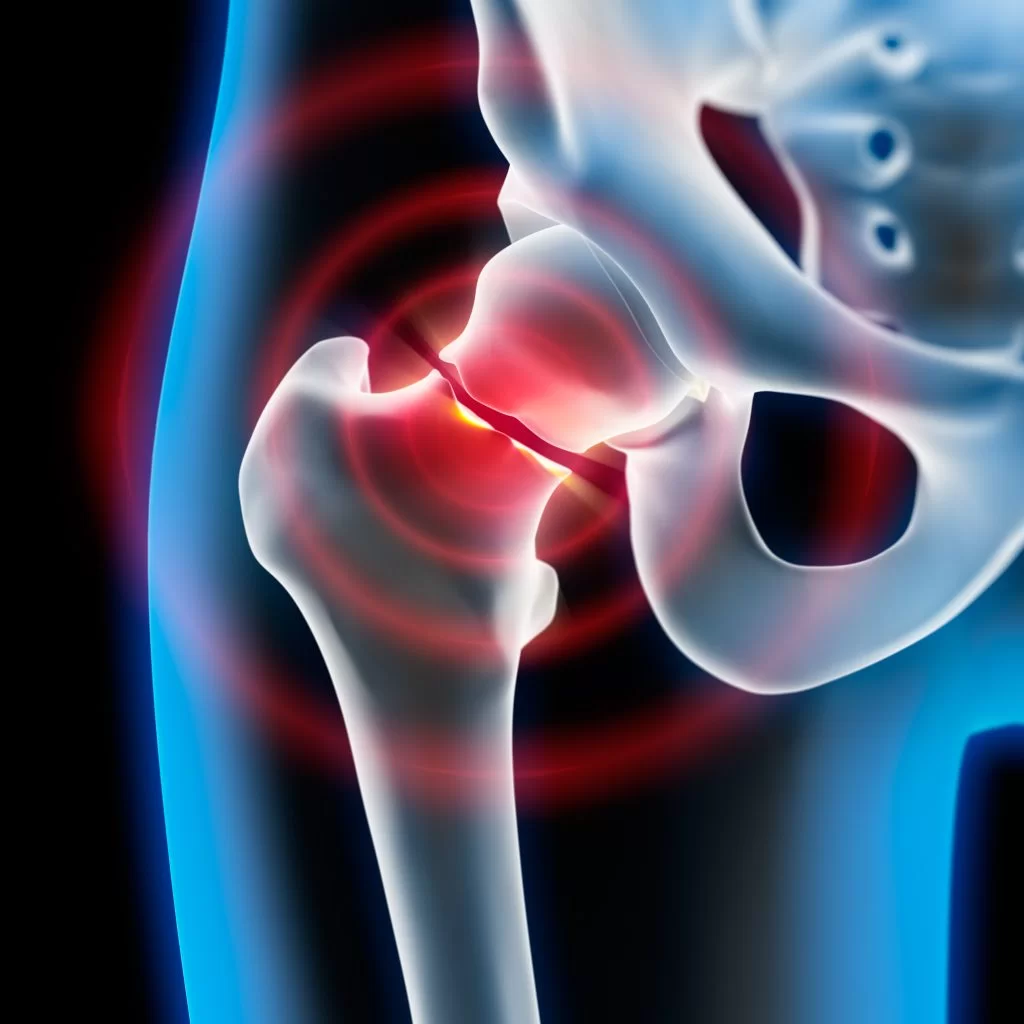
Normal hip: a ball (femoral head) and socket (acetabulum) joint. Both sides are covered with articular cartilage.

Diseased hip: osteoarthritis causes the articular cartilage to wear away, exposing bone and resulting in pain in the groin, hip, buttock or knee with restricted movement. Other inflammatory conditions like rheumatoid arthritis can also damage the hip.

Minimally invasive hip surgery: involves inserting the hip prosthesis through an incision usually <10 cm. This technique causes less muscle cutting and blood loss, giving faster recovery and a smaller scar; suitability depends on patient factors and is assessed during consultation.

Hip Anatomy and Replacement

What Is Hip Replacement?

  • A surgical procedure where the femoral and acetabular joint surfaces are replaced; the femoral component may be a stemmed prosthesis or a resurfacing implant
  • Prostheses are manufactured from polyethylene, cobalt‑chrome or titanium metals, metal alloys or ceramic
  • Selection of implant depends on bone shape/quality, patient age, medical conditions and activity level
  • Surgery is performed under general or regional (spinal/epidural) anaesthesia
  • Robotic‑assisted surgery may be an option and can be discussed at consultation

Indications

  • Persistent rest or night pain unresponsive medication
  • Restriction of joint movement, mobility or activity
  • X‑ray changes of degenerative joint disease

Age is not an exclusion criteria, if the patient is medically fit.

Benefits

  • Pain relief
  • Improved range of motion
  • Correction of limb inequality
  • Fast recovery with smaller scars (minimally invasive surgery)

Risks of Hip Replacement Surgery

Understanding potential complications and how we minimise them

Infection

~1‑2% risk; doubled in diabetic/obese patients. MRSA risk is lower. Antibiotics are given before and after surgery.

Blood Clots

~1‑2% risk. Prevention includes hydration, elastic stockings, calf pumps, anticoagulant medication and early mobilisation. Pulmonary embolism is a serious potential complication. Risk <0.5%

Dislocation

Small risk, highest in first three months; following hip‑precaution instructions reduces the risk.

Leg‑length Discrepancy

Minor differences can occur; a shoe insert can correct it.

Fracture

Force used to insert cementless prosthesis may cause bone fracture; crutches may be needed for 6‑12 weeks. Patients with osteoporotic bone are at increased risk and bone health should be optimised before surgery.

Nerve/Artery damage

Arterial injury is very rare. Nerve injury is uncommon and may lead to a limp or foot drop. If foot drop occurs, may require use of a splint.

Limp

Causes are multifactorial. Usually temporary and improves as muscles heal and strengthen. Weak muscles prior to surgery may lead to prolonged recovery. Other causes are limb length inequality, nerve injury and disease in other joints such as the spine, knee or foot.

Pre‑Operative Considerations

Pre‑op Tests

Blood work and hip X‑ray; some patients also need chest X‑ray, ECG and tests for underlying conditions.

Infection Screening

Urine sample checked for infection; patients are screened for MRSA and COVID.

Medications

Stop Aspirin /anticoagulants as per pre-assessment/surgeon's advice (Can be 2 to 5 days prior to surgery.) Substitute medications may be required.

Lifestyle

Stopping smoking reduces risk of chest infection, blood clots and improves bone healing capacity. Exercise is important to improve preoperative muscle strength and aid rehabilitation. Weight reduction leads to longevity of the prosthesis and reduces complications of surgery. Ensure any underlying infections ( to skin, chest, dental, waterworks ) are treated prior to surgery.

Post‑Operative Considerations

Immediate Care

Patients may return to the ward with an intravenous drip, catheter, oxygen, analgesia pump and sometimes a wound drain. Physiotherapy and mobilisation typically begin within 24 hours, with modern pain management techniques to support early mobilisation and recovery.

Physiotherapy

Should commence prior to surgery and continues on the day of surgery if possible. Exercises in and out of bed are prescribed; mobilisation begins with a Zimmer frame, progressing to crutches and sticks.

Discharge

Usually 1‑2 days post‑surgery. Patients receive an App (Patient Journey App) outlining exercises.

Precautions

Avoid crossing legs, twisting/pivoting and bending the hip more than 90° for the first three months.

Hip Replacement Surgery

Frequently Asked Questions

Common questions about hip replacement surgery answered by our expert team

How long does hip replacement surgery take?

Most hip replacement surgeries take between 1-2 hours. The exact duration depends on the complexity of your case and whether it's a primary or revision procedure.

What is the recovery time after hip replacement?

Most patients can return to light activities within 2-4 weeks and resume normal activities within 6-12 weeks. Full recovery typically takes 3-6 months.

Will I need physical therapy after surgery?

Yes, physical therapy is essential for optimal recovery. We provide a comprehensive rehabilitation program tailored to your specific needs and recovery goals.

How long do hip replacements last?

Modern hip replacements typically last 15-20 years or longer. With proper care and regular follow-ups, many patients enjoy their new hip for decades.

What activities can I do after hip replacement?

Most patients can return to walking, swimming, cycling, and golf. High-impact activities like running may need to be discussed with your surgeon.

Is hip replacement surgery painful?

We use advanced pain management techniques including regional anesthesia and multimodal pain control to ensure your comfort throughout the recovery process.

Have more questions? We're here to help.

Book Consultation