Book your consultation with Ms. (Dr.) Samantha Tross Today Book Now
Knee Replacement Surgery - Advanced orthopaedic procedures
State-of-the-Art Knee Procedures

Knee Replacement Surgery

Advanced knee replacement procedures using the latest technology to restore mobility, reduce pain, and help you return to an active lifestyle.

Pain Relief
Significant reduction in knee pain
Better Mobility
Restored range of motion and function
Long-lasting
Durable results for years to come


Understanding Knee Replacement

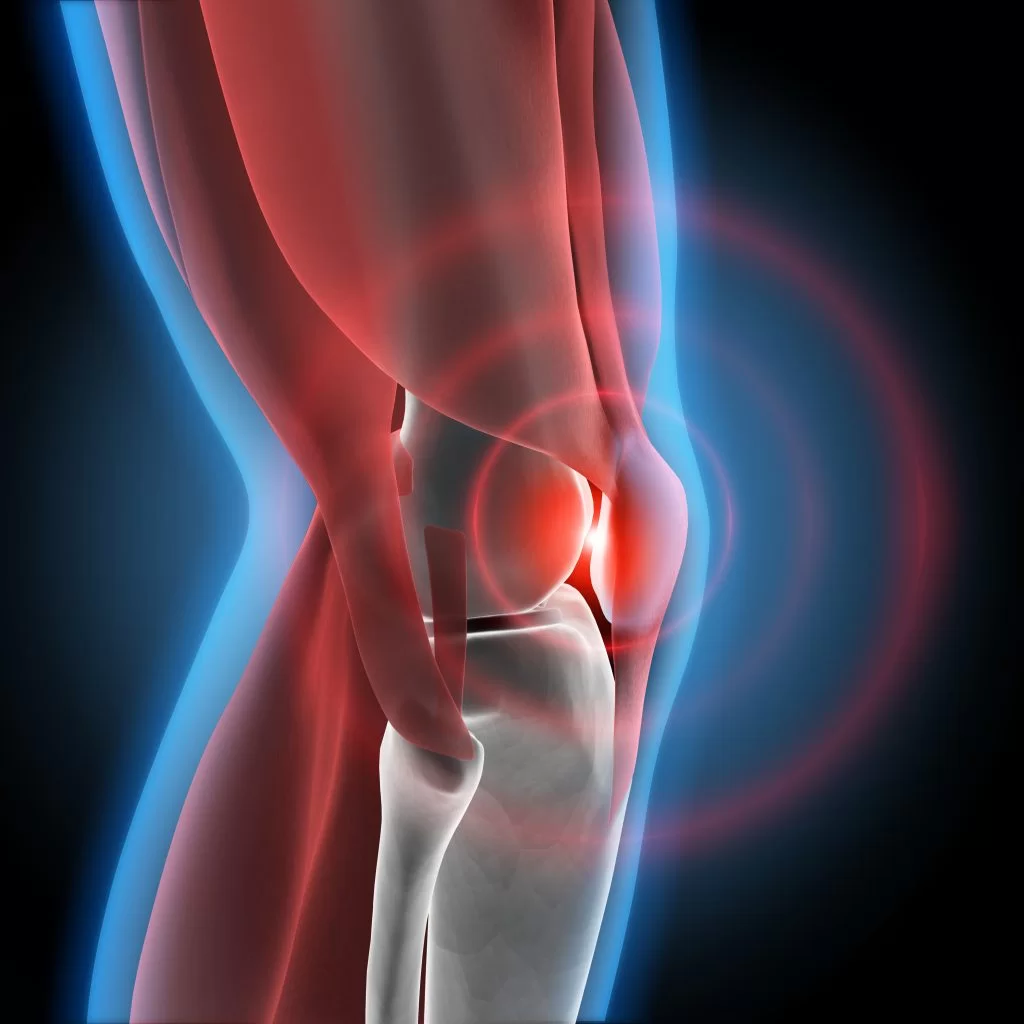
Normal knee: a hinge joint lined with articular cartilage and two menisci. Stability comes from cruciate ligaments, collateral ligaments and surrounding muscles.

Diseased knee: cartilage wear from ageing, osteoarthritis or rheumatoid arthritis leads to pain, swelling and restricted movement; X‑rays show reduced space between femur and tibia.

Knee surgery may be needed when: a worn joint causes pain, swelling, restricted movement, instability or deformity.

Knee Replacement Procedure

  • Replaces part or all of the knee joint surfaces
  • Surgery can be performed under general or regional (spinal/epidural) anaesthetic

Indications

  • Persistent rest and night pain not relieved by simple painkillers
  • Instability
  • Progressive deformity
  • X-ray changes of degenerative joint disease

Benefits

  • Improved pain relief
  • Improved function
  • Correction of deformity

Expected Outcomes

What to expect during your recovery journey

1

Day of Surgery

Exercises commence on the day of surgery

2

Day 1

Mobilisation starts on day 1 or sooner if possible

3

Discharge

Typical discharge after 1–2 days; patients can climb stairs at discharge

4

Full Recovery

~3 months for total knee replacement and 8 weeks for partial knee replacement

Risks of Knee Replacement Surgery

Understanding potential complications and how we minimise them

Infection

~1‑2% risk; higher in diabetic/obese patients; MRSA risk is low. Antibiotics are used prophylactically.

Blood Clots

~1‑2% risk; prevented with hydration, stockings, blood‑thinning medicines, calf pump and early mobilisation. Pulmonary embolism is a serious potential complication. Risk <0.5%.

Fracture

Force used to insert the prosthesis can fracture the bone; fractures are treated immediately and may prolong need for crutches.

Loosening

Implants generally last 10–15 years; controlling weight and avoiding high‑impact activities helps prolong implant life.

Nerve/ Artery Damage

Arterial injury is rare. Numbness along the lateral aspect of the incision site is common and usually temporary but may be permanent.

Ligament and tendon injury

Injury to surrounding ligaments or tendons may occur during surgery, though rare with careful surgical technique. A temporary knee brace may be required.

Limp

Common post‑surgery; usually improves as muscles heal. Recovery may be incomplete if pre‑operative muscle strength was poor.

Educational Videos

Learn more about knee replacement surgery through our informative videos

(PLEASE NOTE CURRENT IN-PATIENT STAY IS 1-2 DAYS)

Pre‑Operative Considerations

Pre‑op Tests

Blood tests and knee X‑rays; chest X‑ray and ECG may be required.

Infection Screening

Urine sample checked for infection; patients are screened for MRSA and COVID.

Medications

Stop aspirin or other anticoagulants 2 to 5 days prior to surgery (confirm at pre-assessment). Substitute medications may be required.

Lifestyle

Stopping smoking reduces risk of chest infection, blood clots and improves bone healing capacity. Exercise is important to improve preoperative muscle strength and aid rehabilitation. Weight reduction leads to longevity of the prosthesis and reduces complications of surgery. Ensure any underlying infections (to skin, chest, dental, waterworks ) are treated prior to surgery.

Post‑Operative Considerations

Immediate Care

Patients may return to the ward with an intravenous drip, catheter, oxygen, analgesia pump and sometimes a wound drain. Physiotherapy and mobilisation typically begin within 24 hours, with modern pain management techniques to support early mobilisation and recovery.

Physiotherapy

Should commence prior to surgery and continues on the day of surgery if possible. Exercises in and out of bed are prescribed; mobilisation begins with a Zimmer frame, progressing to crutches and sticks.

Discharge

Usually 1‑2 days post‑surgery. Patients receive an App (Patient Journey App) outlining exercises.

Knee Replacement Surgery

Frequently Asked Questions

Common questions about knee replacement surgery answered by our expert team

How long does knee replacement surgery take?

Most knee replacement surgeries take between 1-2 hours. The exact duration depends on the complexity of your case and whether it's a total or partial knee replacement.

What is the recovery time after knee replacement?

Most patients can return to light activities within 4-6 weeks and resume normal activities within 8-12 weeks. Full recovery typically takes 3-6 months with proper rehabilitation.

Will I need physical therapy after surgery?

Yes, physical therapy is crucial for optimal recovery. We provide a comprehensive rehabilitation program to restore strength, flexibility, and range of motion.

How long do knee replacements last?

Modern knee replacements typically last 15-20 years. With proper care and regular follow-ups, many patients enjoy their new knee for decades.

What activities can I do after knee replacement?

Most patients can return to walking, swimming, cycling, and golf. High-impact activities like running may need to be discussed with your surgeon.

Is knee replacement surgery painful?

Some pain is expected after knee replacement surgery, but modern anaesthesia, regional blocks and multimodal pain control provide effective relief and allow for early mobilisation and recovery.

Have more questions? We're here to help.

Book Consultation