
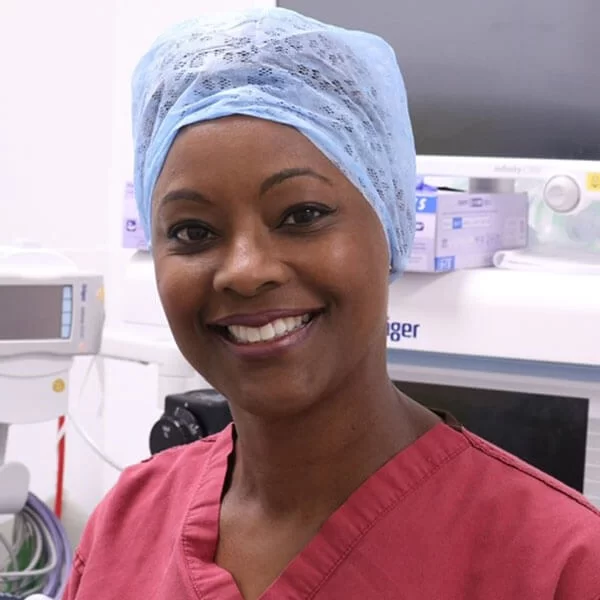
Ms. (Dr.) Samantha Tross
Consultant Orthopaedic and Trauma Surgeon
First Black Female Orthopaedic Consultant in the UK
A successful joint replacement doesn't end with the surgery — the recovery process plays just as important a role in achieving long-term comfort and mobility. Aftercare today is more structured, more personalised, and more effective than ever thanks to advanced rehabilitation methods and improved pain-management strategies.
In the first few days, early mobilisation is the priority. Getting up and walking soon after surgery reduces the risk of complications such as blood clots, while also helping your new joint begin functioning naturally. Physiotherapists will guide you through safe techniques for standing, walking and using mobility aids, ensuring you feel confident from the very start.
As swelling settles over the following weeks, your rehab programme shifts towards strength and stability. Exercises focus on activating the muscles surrounding the new joint, improving balance, and gradually restoring your range of motion. Many patients now also use digital rehabilitation apps, wearable trackers and home-exercise videos to support daily progress outside of physio sessions.
Lifestyle plays an important role in aftercare, too. Maintaining a healthy weight reduces strain on your new joint, while staying active helps preserve muscle and movement. Moderation is key — pacing yourself prevents overexertion while still encouraging steady improvement.
Most patients return to daily routines within 6–12 weeks, though full recovery can take several months. With a structured plan, good habits and consistent physiotherapy, your new joint can serve you comfortably for decades. Aftercare is the bridge between surgery and long-term success — and with the right support, it's a journey you can approach with confidence.