
Ms. (Dr.) Samantha Tross
Consultant Orthopaedic and Trauma Surgeon
First Black Female Orthopaedic Consultant in the UK
Hip replacement is one of the most transformative procedures in medicine. For many people, it brings back mobility, eliminates persistent pain and restores the ability to move freely and confidently.
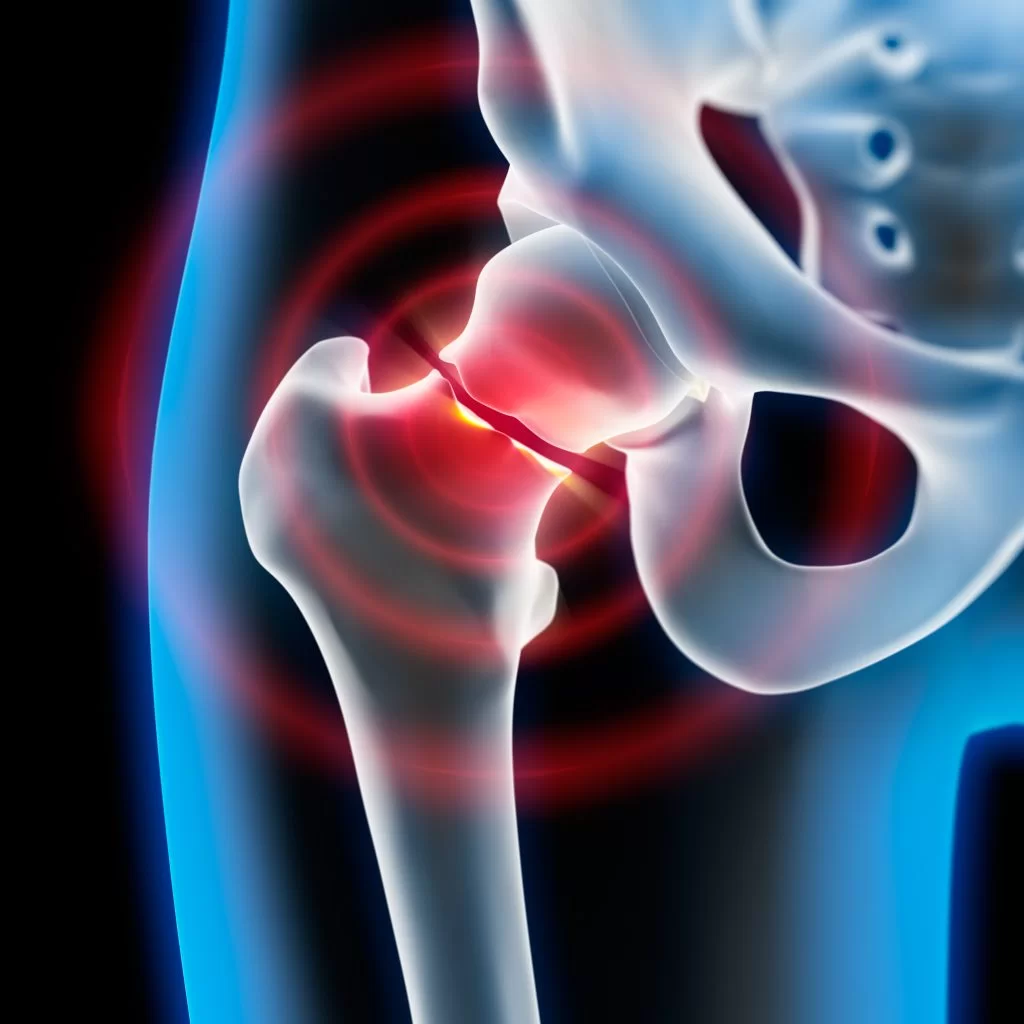
During the surgery, the damaged ball-and-socket joint is carefully removed and replaced with a strong, smooth prosthetic joint. These modern implants are designed to replicate the natural movement of a healthy hip, using advanced materials that significantly reduce wear over time.
The operation is carried out under spinal or general anaesthesia, and enhanced surgical techniques mean less tissue disruption and a more predictable recovery. Many patients walk with assistance on the same day as surgery and begin physiotherapy almost immediately.
Recovery progresses steadily, with improvements in walking, strength and stability over the first six weeks. Most people return to driving within six weeks and enjoy major improvements in quality of life by three months. Full recovery continues for up to a year as the surrounding muscles regain strength.
Hip replacement is a powerful solution for advanced arthritis — predictable, safe and highly successful. In 2025, outcomes are better than ever thanks to improved implants, surgical precision and enhanced rehabilitation pathways.