
Ms. (Dr.) Samantha Tross
Consultant Orthopaedic and Trauma Surgeon
First Black Female Orthopaedic Consultant in the UK
Hip arthritis is a common condition that can significantly affect mobility and quality of life. Understanding what's happening inside the joint is the first step towards effective treatment.
Hip arthritis occurs when the smooth cartilage that cushions the joint gradually breaks down. Without this protective surface, bones rub together, causing pain, stiffness, and inflammation. Symptoms often start gradually, with patients noticing difficulty walking longer distances, climbing stairs, or standing after sitting.
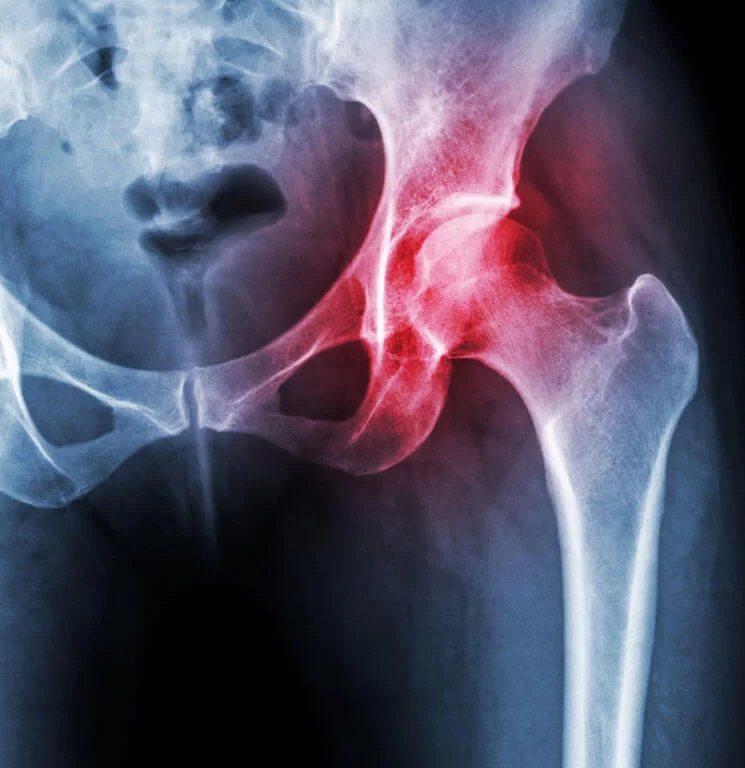
Diagnosis involves a combination of discussion, examination and imaging. X-rays are typically the first step, confirming the extent of joint-space narrowing, bone spurs or other degenerative changes. Sometimes additional imaging, such as MRI, is used to assess soft tissue.
Treatment has evolved significantly. Physiotherapy, weight optimisation, activity modification and anti-inflammatory medication can often provide meaningful relief. Assistive devices like a walking stick may also help in the early stages. When pain interferes with sleep, daily function or overall quality of life, hip replacement becomes a highly effective option with excellent long-term results.
The most important message is that arthritis is manageable. With the right strategy — tailored to your symptoms, lifestyle and goals — many people regain confidence and movement long before needing surgery.